
Blogs post
Electric vs Gas Outboard Motors: Pros, Cons & Which is Right for You

Dec
Electric vs Gas Outboard Motors: Pros, Cons & Which is Right for You
Tagsboat engines for sale, boating equipment, buy boat engine, eco-friendly boat motor, electric marine propulsion, electric outboard motors, fuel-efficient outboard, gas marine engines, gas outboard motors, high performance outboard, marine motors, outboard motor specs, quiet boat motor, small boat engines, trolling motors
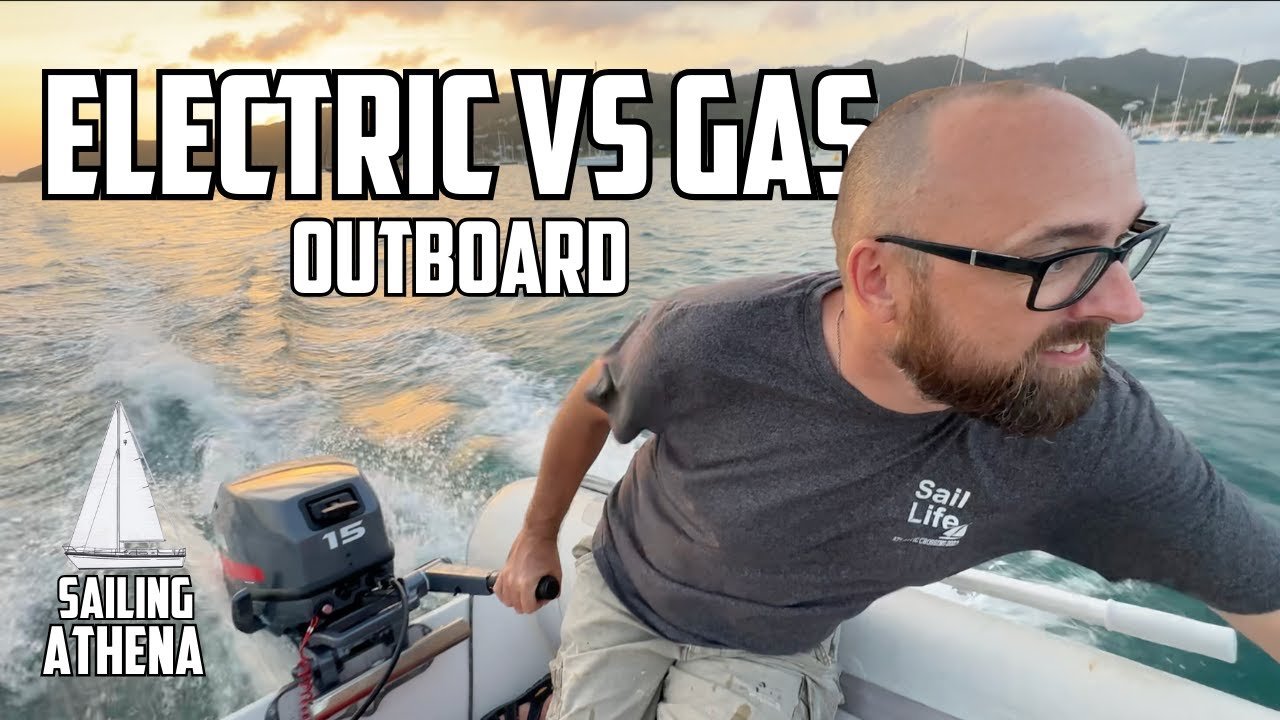
Electric vs Gas Outboard Motors: Pros, Cons & What’s Best for You
Purchasing a boat, the right selection of outboard motor is everything where performance, economy, and boating experience are concerned. The most common conundrum these days among boat owners is between electric and gas outboard motors. Both have their pros and cons relative to your usage, needs, and finances.
In this guide, we contrast both styles of outboard motors in great detail, specifications, performance, cost, and point you to the best outboard motor for your use. If you’re replacing your current motor or buying a new motor, we carry an assortment of quality outboard motors for sale—gasoline and electric—to suit all kinds of boats and budgets.
1. Introduction
As technology continues to advance, increasingly more boaters are forsaking conventional gasoline motors for silent, emissions-free electric outboard motors. If you’re a weekend angler, pontoon boat cruiser, or wildlife observer in search of sneaky running, your choice will influence not only performance, but your impact on the environment, too, as well as long-term cost.
Let’s sort it all out.
2. What is an Outboard Motor?
An outboard motor is an independent propelling boat unit, often installed aft (at the back). It houses an engine, transmission, and propeller all in one case.
Outboard motors are boaters’ best friends because they’re:
- Easy to replace or upgrade
- Perfect for any boat type
- Available in various power ratings and fuel types
3. Overview: Electric vs Gas Outboard Motors
| Feature | Electric Motor | Gas Motor |
|---|---|---|
| Power Source | Battery-powered | Gasoline combustion |
| Noise Level | Extremely quiet | Louder (particularly at high speeds) |
| Maintenance | Minimal | Regular tune-ups, oil changes |
| Environmental Impact | Zero emissions | Emits CO2 and other pollutants |
| Initial Cost | Higher upfront | Lower upfront |
| Operating Cost | Lower | Higher (fuel + maintenance) |
| Range | Limited (battery dependent) | Longer range (fuel tank size) |
| Weight | Generally lighter | Heavier, depending on size |
| Torque | Instant torque | Gradual torque buildup |
4. Pros & Cons of Electric Outboard Motors
Pros
Eco-Friendly Operation
Zero emissions means you’re not polluting lakes, rivers, or oceans.
Ultra Quiet
Enjoy peaceful rides, perfect for fishing or wildlife observation.
Low Maintenance
No gas modifications, spark plugs, or fuel filters.
Instant Torque
Ideal for quick acceleration and tight steering.
Lower Long-Term Costs
Electric is cheaper than gas; repairs are fewer.
Cons
Higher Upfront Cost
Electric motors and batteries cost more upfront.
Restricted Range
Battery life dictates how far or how long you can travel.
Longer Recharge Times
Recharging takes hours, as opposed to gasoline fueling.
5. Advantages and Disadvantages of Gas Outboard Motors
Advantages
Longer Range
Ideal for extended travel or high-speed boating.
Smaller Refueling Time
Fill ‘er up and drive—no refueling waits.
High Power Options
Potent horsepower capacity (up to 300+ HP).
Greater Availability
Available easily in repair shops and stores.
Disadvantages
Increased Operating Costs
More expensive to operate in fuel, oil, and maintenance.
Louder Operation
Wakes up peace makers and scares fish away.
Needs More Maintenance
Requires maintenance for longer life.
Environmental Impact
Releases greenhouse gases and water pollutants.
6. Comparison of Performance
 Speed & Torque
Electric motors are smooth accelerators with instant torque but can reach only 10–20 knots top, depending on the model.
Gas motors had better top end and best suited for water sports and distance cruising.
 Range
Range
- Electric: 2–10 hours of running time depending on battery capacity (e.g., 48V, 100Ah battery).
- Gas: 50–100 miles++ per tankful, especially with portable auxiliary tanks.
7. Comparison of Cost
| Cost Factor | Electric Motor | Gas Motor |
|---|---|---|
| Initial Purchase | $1,500 – $10,000+ | $1,000 – $15,000+ |
| Fuel/Battery Cost | ~$0.10 per charge | ~$3–5 per gallon |
| Annual Maintenance | $0 – $100 | $200 – $500+ |
| Total Lifetime Cost | Lower overall | Higher overall |
8. Eco-Friendly Boating: Electric Leads the Charge
If reducing your carbon footprint is a top priority for you, electric outboards are the obvious option. They:
- Produce no pollution
- Don’t spill toxic fluids into water
- Operate quietly, without damaging marine ecosystems
We proudly offer a selection of environmentally responsible, high-performance electric outboard motors that are perfect for green-friendly boaters.
9. Use Cases: Which Motor Is Right for You?
Choose Electric If You:
- Make short, uncomplicated water trips
- Want a quiet, hassle-free ride
- Fishing small lakes or protected bays
- Value eco-friendly boating
Choose Gas If You:
- Make long-distance cruises
- Need speed and high horsepower
- Will be towing skiers or tubes
- Want increased range and fast refueling
10. Specs of Our Top-Selling Models
 Electric Outboard Motor – EcoPro 48V 6HP
- Power: 6HP equivalent
- Battery: 48V lithium-ion
- Run Time: 4–6 hours
- Weight: 28kg
- Noise: <55 dB
- Price: $2,299
- Best For: Pontoons, dinghies, fishing boats
In Stock – Buy Now
Gas Outboard Motor – PowerJet 15HP 4-Stroke
- Power: 15HP
- Fuel Type: Unleaded gasoline
- Tank Capacity: 12L external tank
- Weight: 52kg
- Noise Level: 85 dB
- Price: $2,499
- Best For: Water sports, mid-size boats
In Stock – Buy Now
11. FAQs About Outboard Motors
Q: Are electric outboards suitable for large boats?
A: Some up to 25HP equivalent, but ideal for small to medium boats.
Q: How long does an electric battery last?
A: Typically 3–7 years based on usage and charging cycle.
Q: Is conversion from gas to electric easy?
A: Absolutely! We are able to convert most boats to electric motors. Let us help you get the right setup.
Q: Do you provide warranties?
A: Yes. We have a manufacturer warranty on all motors and our customer service.
12. Last Word: Which One to Buy?
Gas and electric outboard motors both have their place. If you want clean power, quiet boat sound, and less maintenance, use electric. If you need power, distance, and rapid refilling, use gas.
Here’s a quick summary:
| Your Need | Best Option |
|---|---|
| Quiet Fishing Trips | Electric |
| Long Distance Boating | Gas |
| Environmental Friendly Experience | Electric |
| Water Sports/Towing | Gas |
| Low Operating Expense | Electric |
| Quick Refueling | Gas |
13. Why Buy from Us?
We are not only a blog but also your go-to electric and gas outboard motors supplier. You will get:
Durable engines from trusted brands
Expert customer service
Warranty on all the products that we offer
Fast shipping
Competitive pricing
Time to Power Up Your Boat?
Whether you require an eco-friendly electric outboard or a gas motor that capitalizes on their reliability, we have the perfect motor for your vessel. Check out our selection and sail assured.
